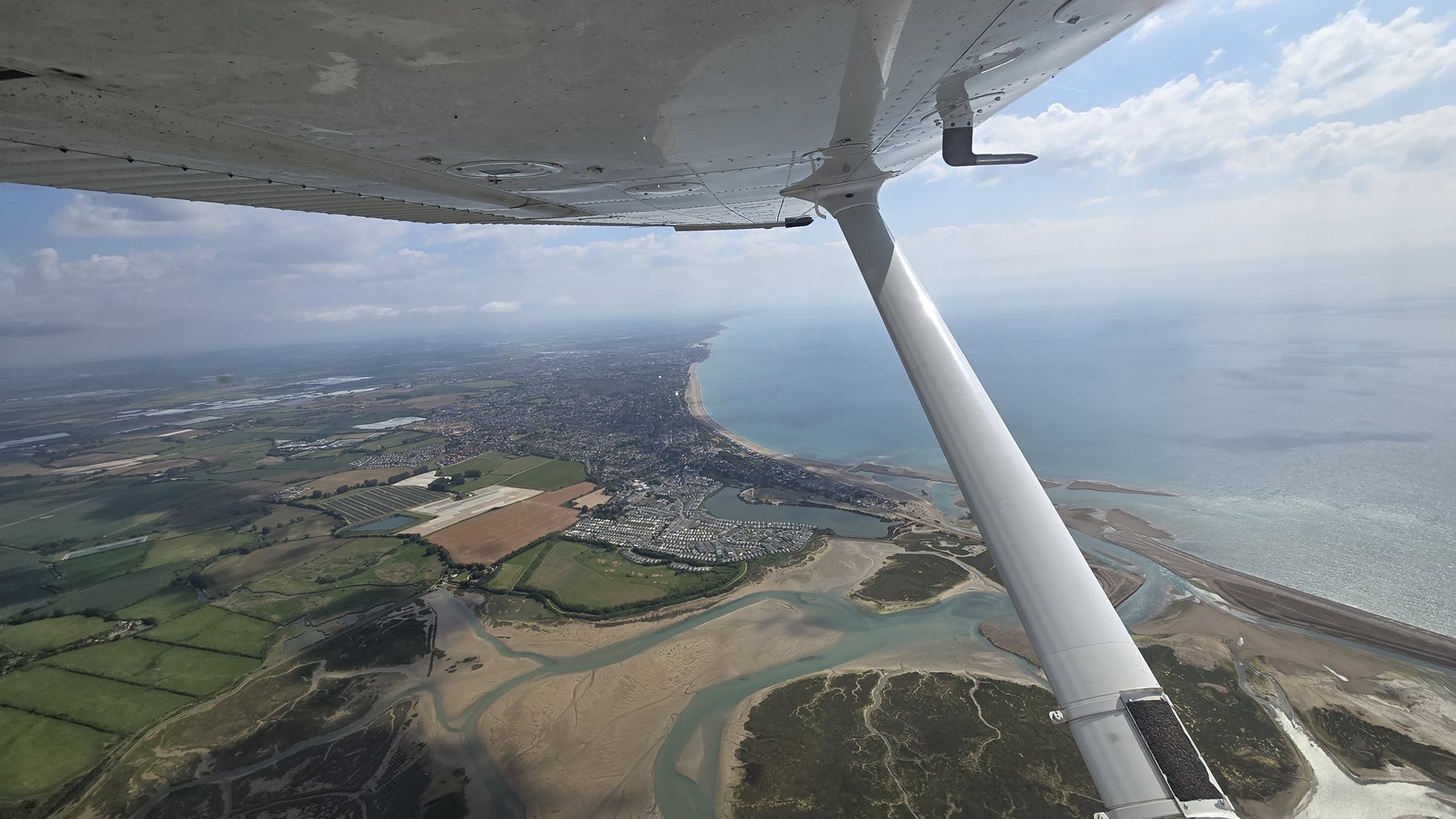
“Goodwood Information. Golf November X-ray Oscar Echo, radio check and taxi for circuits. Two on board”
It turns out, old dogs can learn new tricks. And this 45-year-old dog not only learned the trick to flying, he’s also now licensed to do so.
Yes, it might have taken a couple of years, ~70 hours at the yoke, a plethora of exams, a very supportive partner and a flexible work schedule to achieve it. But, I have the paperwork from the CAA to show that I am indeed licenced to fly a single prop.
This is, of course, an over-simplified version of what happened over those 2 and a bit years. And it doesn’t even cover the time beforehand.
With all this in mind, let’s take a more detailed look at what’s involved in getting your PPL later in life.
PPL where to start checklist
This starts with finding the right flying school for you.
This may sound obvious but not only is it the first decision you need to make, it is arguably the most important.
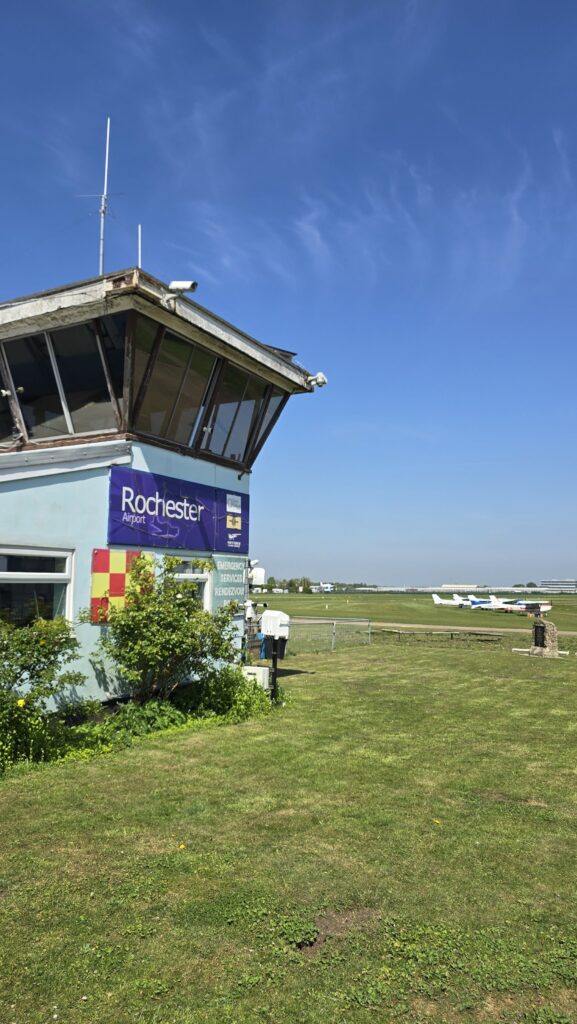
Yes, it needs to be accessible to you, so location will play a large part. But what if you’re in the fortunate position of being surrounded by airfields that all have flying schools. Or your local airfield has more than one flying school based there?
What makes it the right flight school for you?
PRE-FLIGHT INSPECTION (EXTERNAL)
The fleet
- What aircraft will be available to you
- and how many?
- Are they high wing? eg a Cessna 172 where you can see the ground when you look out the cockpit.
- Low wing? eg a Piper PA-28 better up and forward visibility than the Cessna
- Do they have 2 seats? 4 seats?
Fleet equipment
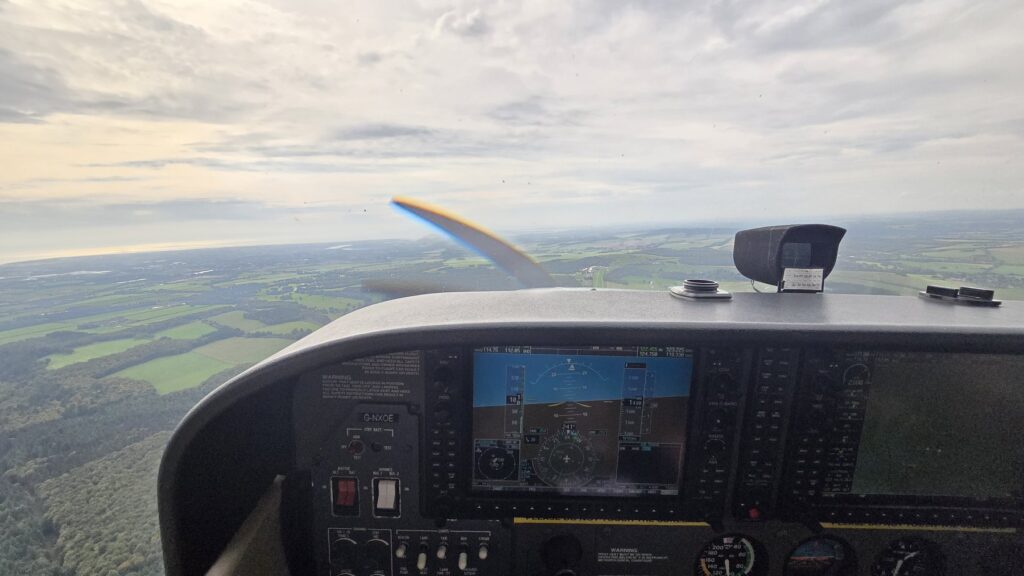
- Glass cockpits?
digital representations of altitude, air speed, rate of climb, heading etc - Steam cockpit?
individual dials and displays of the same information
PRE-FLIGHT INSPECTION (INTERNAL)
The school itself.
- How many instructors are there?
- How many are rated to instruct on the aircraft you want to learn in?
- What other facilities are available?
- Flight simulator?
- Can you sit your theory exams there?
- How long has the school been running?
- Do you pay per lesson, or is there a discount on offer if you pay for a block of hours upfront?
- and is this money secure?
Advancement.
- What other qualifications/ ratings can I obtain there on top of my initial PPL?
- Instrument rating?
- Night rating?
- Steps to obtaining a commercial licence?
Fees.
- How do they charge you?
- Is it by the Hobbs hour (a little counter that only ticks over when the engine is running)?
- Or by the actual time you are in the plane?
PRE-ENGINE START & TAXI
The airfield.
- How many runways are available?
- Are they grass or tarmac?
- Does the grass runway have drainage?
Notes.
Wherever you are in the world, you will always have weather. This means the airfield set up, and the options available, will determine if you can fly in your allotted lesson window or not.
More runways, mean less chance of your lesson being cancelled because the crosswind is too strong.
A tarmacked runway and taxiway won’t become waterlogged, but it might suffer from higher levels of surface water.
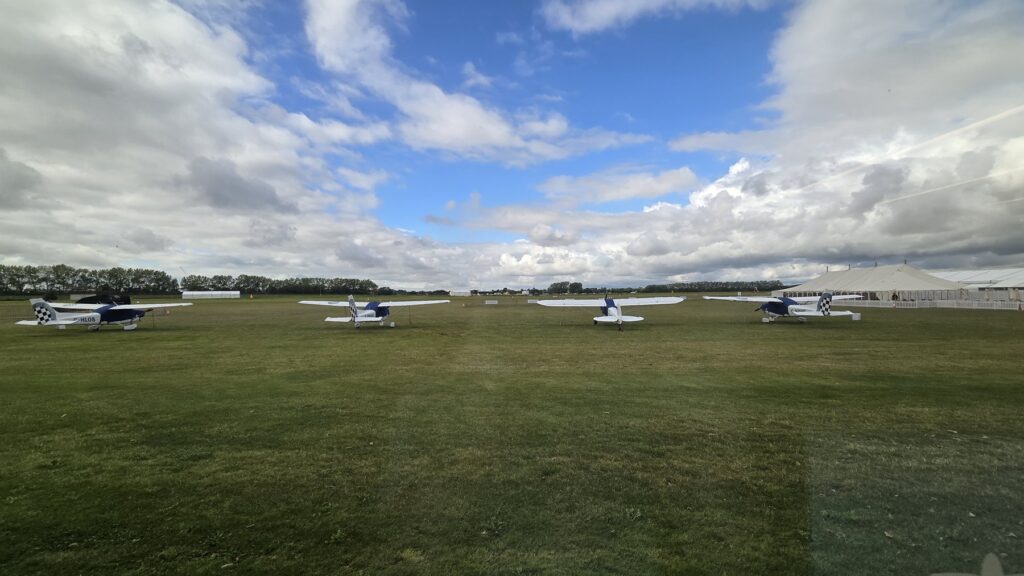
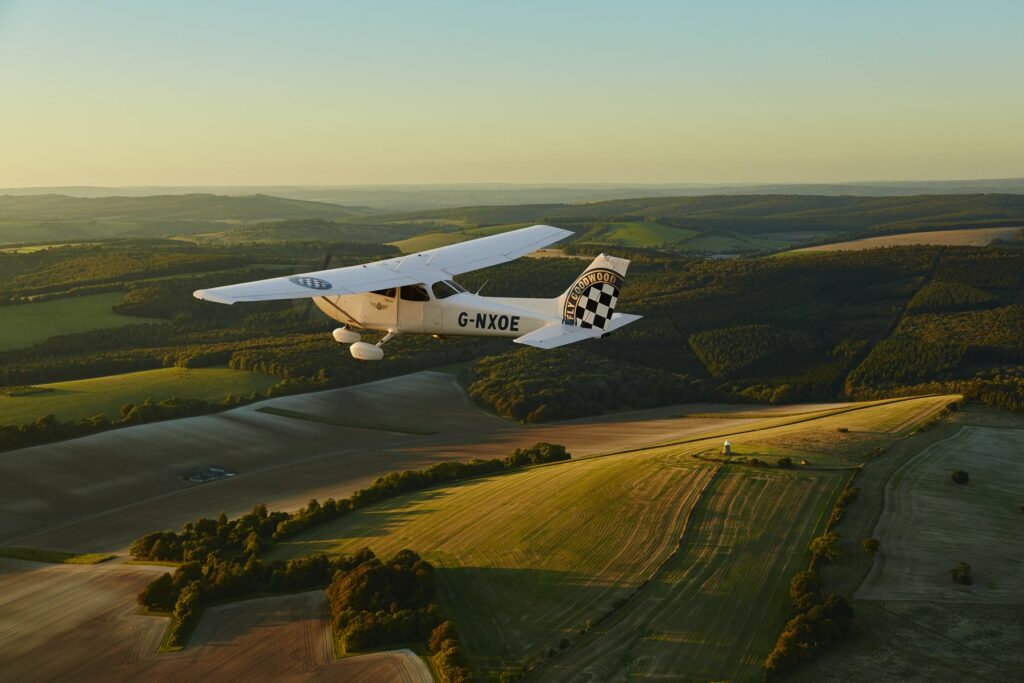
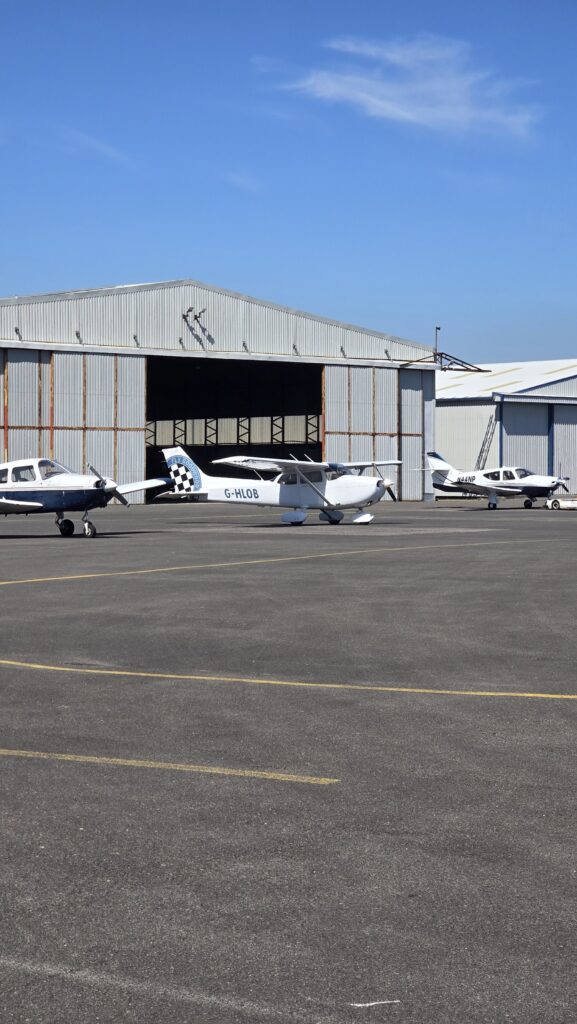
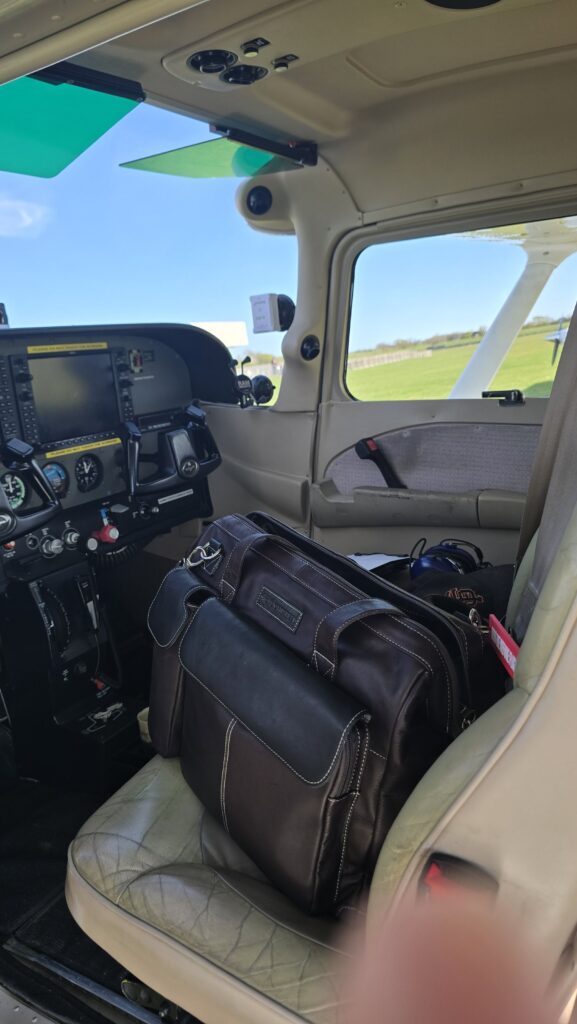
For me when I started to learn to fly, I was incredibly fortunate to have the amazing Goodwood Estate just a 30 minute drive down the UK’s south coast. The airfield there has 3 grass runways and Goodwood Flying School has a fleet of 1 Cub and 4 high wing Cessna 172s all with a glass cockpit, along with a very high calibre of instructor.
It was a no brainer.
And while there are lots of other experiences available over the Goodwood Estate (motorsport, horse racing, hotel, golf course…), I was there for the flying.
Money, patience and time
Obtaining your PPL is not a cheap venture. In my early days of learning to fly, one instructor casually asked me: “do you know how you get a small fortune?”. At the time of the question, I was busy trying to taxi in a straight line, so thankfully for me, he answered his own question: “start with a large fortune and take up flying”.
This, however, is almost the (un)natural sweet spot for many people with a disposable income. It’s not like the money was burning a hole, but I had the resources to fulfil my dream of being able to fly.
I was also in a fortunate position of working in our own company. This afforded me a lot more flexibility as to when I could book in my lessons. Yes, it is possible to obtain your PPL by only having lessons over a weekend. But it will take longer than you’d like it to.

Hours, practice and exams.
To get your PPL in the UK, you need to have flown at least 45 hours. 10 hours need to be solo, half of which need to be out of the circuit . You need to pass 9 theory exams plus a practical radio exam.
You also need to be deemed fit to fly by a qualified medical examiner.
In theory, you don’t need your class 2 medical until you go for your first solo flight. Having said that, it’ll be a wise precaution to find out if you are fit enough to fly before you start any lessons!
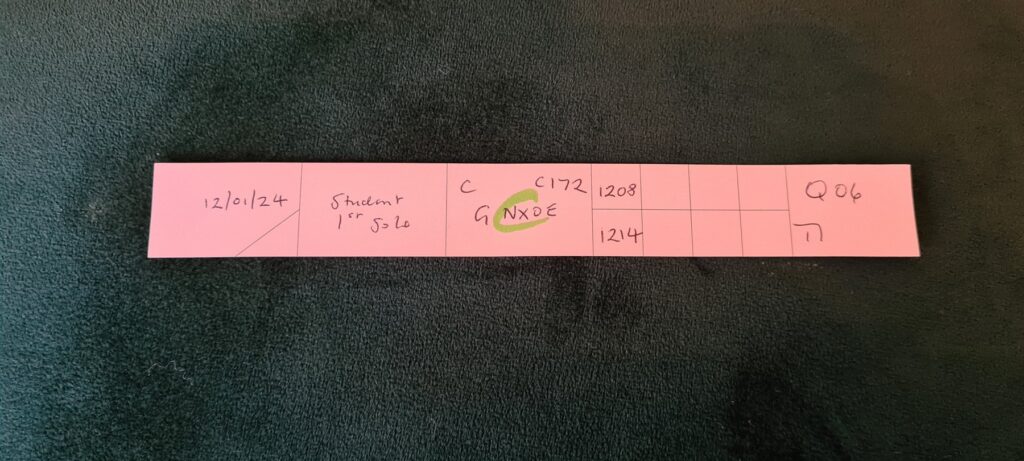
When the school believe you are ready, you must also complete your solo QXC flight (Qualifying Cross Country), where you’re sent out to take to the skies on your own, before you’ve even passed!
And then finally, you take (and all going well, pass) the Skills test.
All things considered, with some finger in the air maths, this easily takes us over the £10,000 mark (and the rest!).
At the start, I said that it took me about 70 hours to pass, didn’t I? Why did I need another 25 hours? Well, it was inconsistent flying caused by…
Weather and other factors
I’ve mentioned a few times about the weather. Weather can cancel lessons in so many ways: cloud too low; wind too strong; ground too wet; air too hot (yes, really).
Other factors that determine if your lesson goes ahead include: aircraft maintenance, instructor availability and your own personal emergencies.
There is a saying in aviation (actually, there are hundreds, but this one is pertinent here):
“It’s better to be on the ground, looking up and wishing you were flying. Instead of being in the air, looking down, wishing you were on the ground”
You also need a bit of fortune with regards to timing. Your lesson might be at 09:00, but the cloud is too low and doesn’t clear until 11:00. Just at the end of your scheduled 2-hour window.
Or the aircraft you are assigned might have just ticked over into its engine maintenance period.
Essentially, learning to fly is a patient person’s game. But the final outcome is totally worth the wait.
And once you have your licence?
You can buy your own plane, join a syndicate or hire an aircraft.
Personally, so far we’ve only hired from Goodwood. This way I’ve kept on flying the planes that I learned in. This has meant I can build hours and experience in an environment that is familiar to me.

Going forward though, and excuse the bad pun, the plan will be to stretch my wings and fly different aircraft from different airfields.
I also need to stay “current”.
If I want to fly with passengers, I need to have completed 3 take offs and landings in the last 90 days.
And without reciting the CAA handbook fully, I need to fly 12 hours in the 12 months leading up to licence renewal date.
With that in mind, and with the weather on my side, I’ll be flying out of Goodwood when this article is set live into the world. Nothing wrong with a bit of mid-week hour building.
“Golf November X-ray Oscar Echo. Readability five. Runway three-two left hand circuit. QFE one zero two four.”
This article is for guidance only. The exact process, expense, timings, laws and weather(!) will vary from country to country