As a wedding planner, one of the most common questions I’m asked isn’t about flowers or first dances, it’s whether a couple is “allowed” to have an adults-only wedding.
My answer is always the same.
Your wedding should reflect you.
For some couples, that means children running across the lawn, joining in on the dance floor and being part of every moment. For others, it means creating an experience designed entirely for adults. Neither approach is more right than the other. The important thing is that the decision feels authentic to the people getting married.
Over the past few years, I’ve certainly noticed more couples opting for childfree celebrations, particularly those hosting multi-day weddings or investing heavily in guest experience. It’s rarely because they don’t enjoy spending time with children. More often, it’s because they’re intentionally designing an event with a particular atmosphere in mind.
Luxury weddings today are less about tradition and more about experience.
When couples spend months, sometimes years, curating every detail, from candlelit dinners and immersive entertainment to carefully considered wine pairings and late-night parties, they’re thinking about how the entire celebration feels. An adult-only guest list naturally shapes that experience.
It allows the day to flow differently.
Dinner conversations last longer. Guests remain on the dance floor well into the early hours. The schedule doesn’t need to accommodate bedtimes or children’s meals, and the couple can lean into an atmosphere that’s elegant, relaxed and unapologetically grown up.

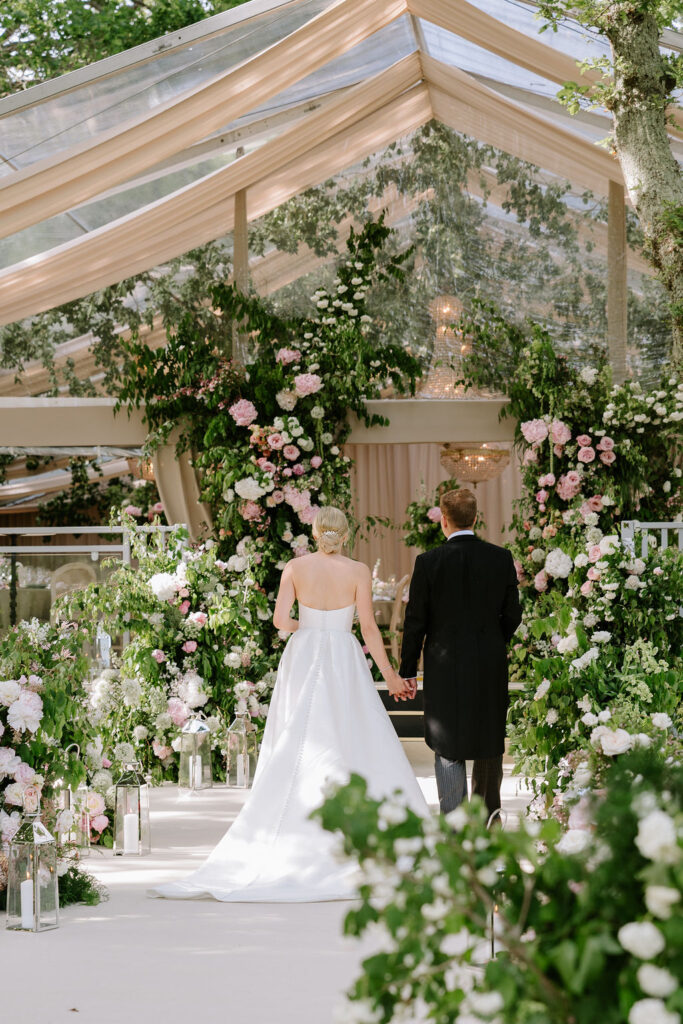
That’s particularly true for destination or weekend weddings, where the celebration extends far beyond a single afternoon. The focus becomes less about entertaining different age groups and more about creating memorable experiences for the adults who have travelled to celebrate together.
One misconception I often hear is that childfree weddings are somehow exclusionary or anti-family.
In reality, they’re usually the opposite.
Most couples agonise over the decision because they know some guests may be disappointed. They’ve thought carefully about every relationship and understand it may mean a handful of people are unable to attend. But they also recognise that trying to please everyone rarely creates the wedding they truly want.
The couples I work with are thoughtful about how they communicate their decision.
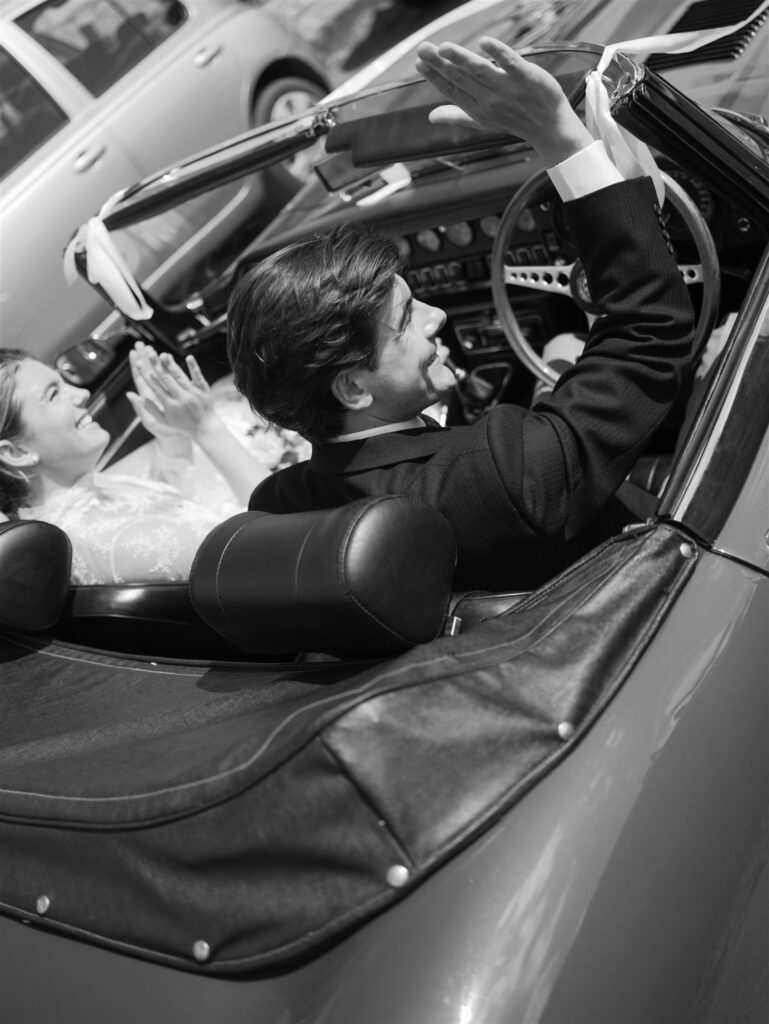
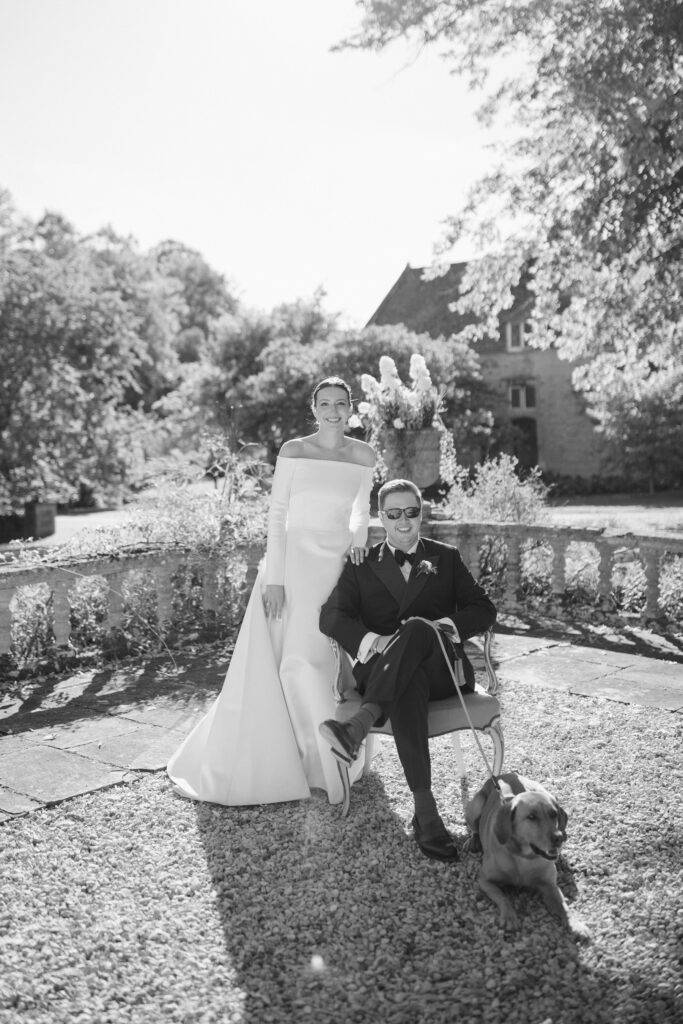
Rather than lengthy explanations or apologies, they simply and politely state that the celebration will be for adults only. They don’t justify the choice because they don’t feel they have to. Equally, they understand that invitations are never obligations, and if attending isn’t possible because of childcare, there are no hard feelings.
Good etiquette works both ways.
Guests should feel comfortable declining an invitation if they can’t arrange childcare, just as couples should feel comfortable creating the celebration they’ve envisioned.
From a planning perspective, adult-only weddings also offer practical advantages.
Timelines become more flexible. Caterers don’t need separate children’s menus. Entertainment can be tailored entirely towards an adult audience, whether that’s an elegant tasting menu, live musicians during dinner or a dance floor that doesn’t slow down until the early hours. Even seemingly small details – glassware, styling, furniture layouts and evening entertainment can be planned around one audience rather than several.
None of this makes an adult-only wedding better.
It simply makes it different.
I’ve planned beautiful family-centred celebrations where children have been at the heart of the day, and I’ve planned sophisticated adults-only weekends that couldn’t have worked any other way. The success of either has never depended on who was invited; it’s depended on whether the wedding genuinely reflected the couple.
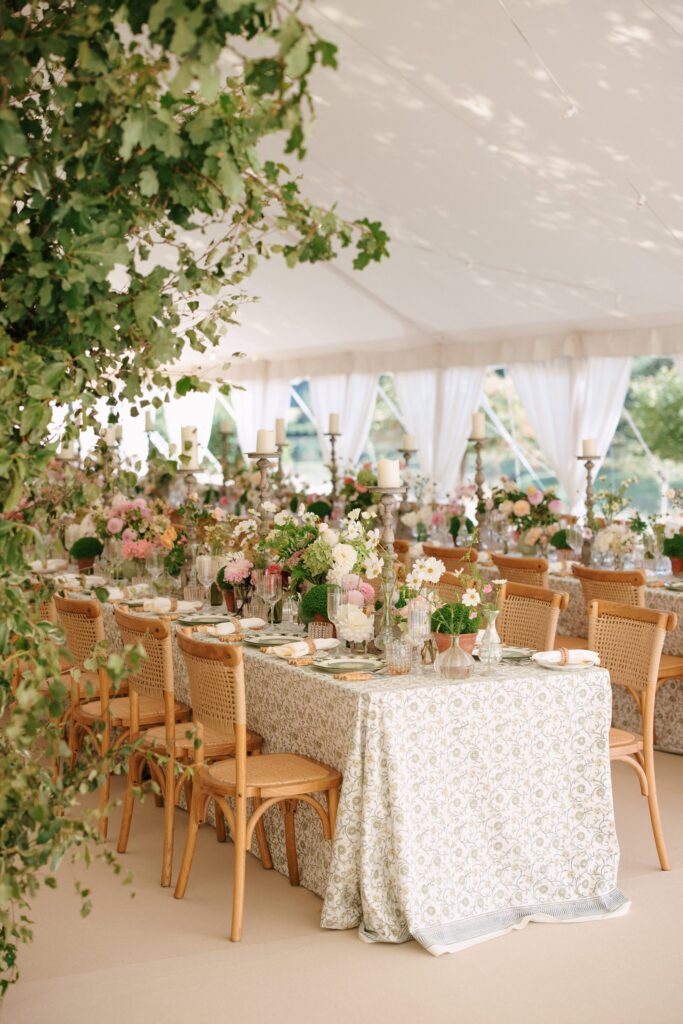
Perhaps that’s why more couples are embracing the confidence to make decisions based on their own values rather than external expectations.
Your wedding isn’t a public event designed to satisfy everyone else’s idea of tradition.
It’s one of the few occasions in life where you have complete freedom to create an experience that feels unmistakably yours.
As planners, our role isn’t to tell couples what they should do. It’s to help them create a celebration they’ll look back on years later and still recognise as a true reflection of themselves.
Whether that includes children, or not, is simply one of many choices that shapes the story they’re choosing to tell.